
Colonoscopy in United Kingdom, London

Colonoscopy
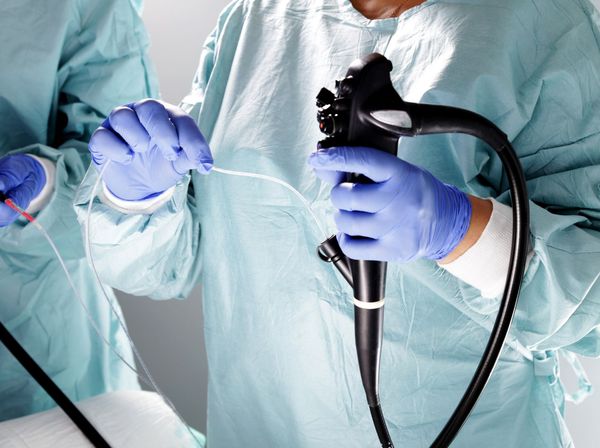
Vista Health offers colonoscopy procedures, an effective diagnostic examination for bowel conditions, changes, and abnormalities. The procedure involves inserting a flexible telescope into the patient's back passage, inflating the large bowel with air to facilitate an in-depth examination. This equipment allows the endoscopist to take photographs and perform biopsies for accurate diagnoses. Vista Health performs this procedure under conscious sedation, typically taking between 30-45 minutes. The endoscopist may offer gas and air or a sedative to ensure patient comfort. If necessary, such as the discovery of colon polyps, the doctor can simultaneously take samples or remove tissue for further laboratory analysis.


The Role of Colonoscopy in Longevity and Preventive Medicine
In the realm of preventive medicine, one procedure has garnered significant attention for its potential to detect early signs of colorectal cancer (CRC): colonoscopy. This medical examination, while not without controversy or risk, offers a unique opportunity for both screening and intervention in a single session.
Colonoscopies are typically recommended once individuals reach middle age. However, some practitioners advocate for earlier screenings around the age of forty as opposed to the standard recommendation of forty-five or fifty [1]. Why this deviation from established guidelines? It is rooted in an understanding that most cancers are easier to manage when detected at their earliest stages [1].
The power behind colonoscopy lies within its ability to identify polyps - small growths forming on the lining of your colon. While many remain harmless throughout life, others have malignant potential; they can evolve into full-fledged tumors if left unchecked [2].
Not all polyps become cancerous but remember this – every case of colon cancer originated from a polyp. Therefore, by identifying these precursors during a routine check-up with our trusty endoscope (the tool used during a colonoscopy), we gain an upper hand against CRC before it becomes dangerous [2].
Moreover, what sets apart this procedure is its dual nature - it combines screening and surgery into one process. If potentially harmful growths are spotted during inspection, they can be removed immediately using instruments attached to the endoscope itself[2]. Thus making it more than just an amazing tool—it's essentially two tools rolled into one.
However beneficial though, there remains valid concern over costs associated with frequent screenings—financial burden being only part thereof. Emotional toll exerted by false positives cannot be overlooked either nor should incidental risks such as slight harm posed by repeated procedures or more substantial danger from unnecessary biopsies[4].
So how do we navigate through these complexities? How does one decide whether benefits outweigh risks involved?
One approach could involve asking key questions prior to undertaking your first colonoscopy—a method suggested by Peter Attia MD in his book 'Outlive' [5]. These include inquiries about your endoscopist’s adenoma detection rate (ADR), their history regarding perforations caused or other serious complications like major intestinal bleeding episodes and withdrawal time taken during previous procedures[5].
By seeking answers to these queries you may improve your risk-to-benefit ratio thereby ensuring maximum advantage out of each session whilst mitigating possible hazards.
To summarize then—the role played by regular colonoscopies extends beyond mere disease prevention; it forms integral part towards achieving longevity and optimal healthspan too given its capacity for early detection coupled with immediate intervention capabilities where required.
Yet despite evident advantages caution must always prevail especially considering financial emotional physical implications linked thereto hence needful vigilance careful consideration advised prior embarking upon any medical journey including ours today—colonoscopy!
Remember—an informed decision is invariably best kind so arm yourself knowledge ask right questions ensure greatest payoff terms risk reduction ultimately enhancing quality lifespan alike.
References:
Attia MD., P.(2020). Outlive pp 145-176 & 482 Ebury Publishing
You might be wondering if a particular service or procedure is worth the cost or if there is a provider near me. Here, we have compiled the most frequently asked questions to address common inquiries. If we missed anything or if you have any additional questions, please feel free to contact us.
We use cookies to offer you a better browsing experience, analyze site traffic and personalize content. Read about how we use cookies by clicking